

Nasua nasua
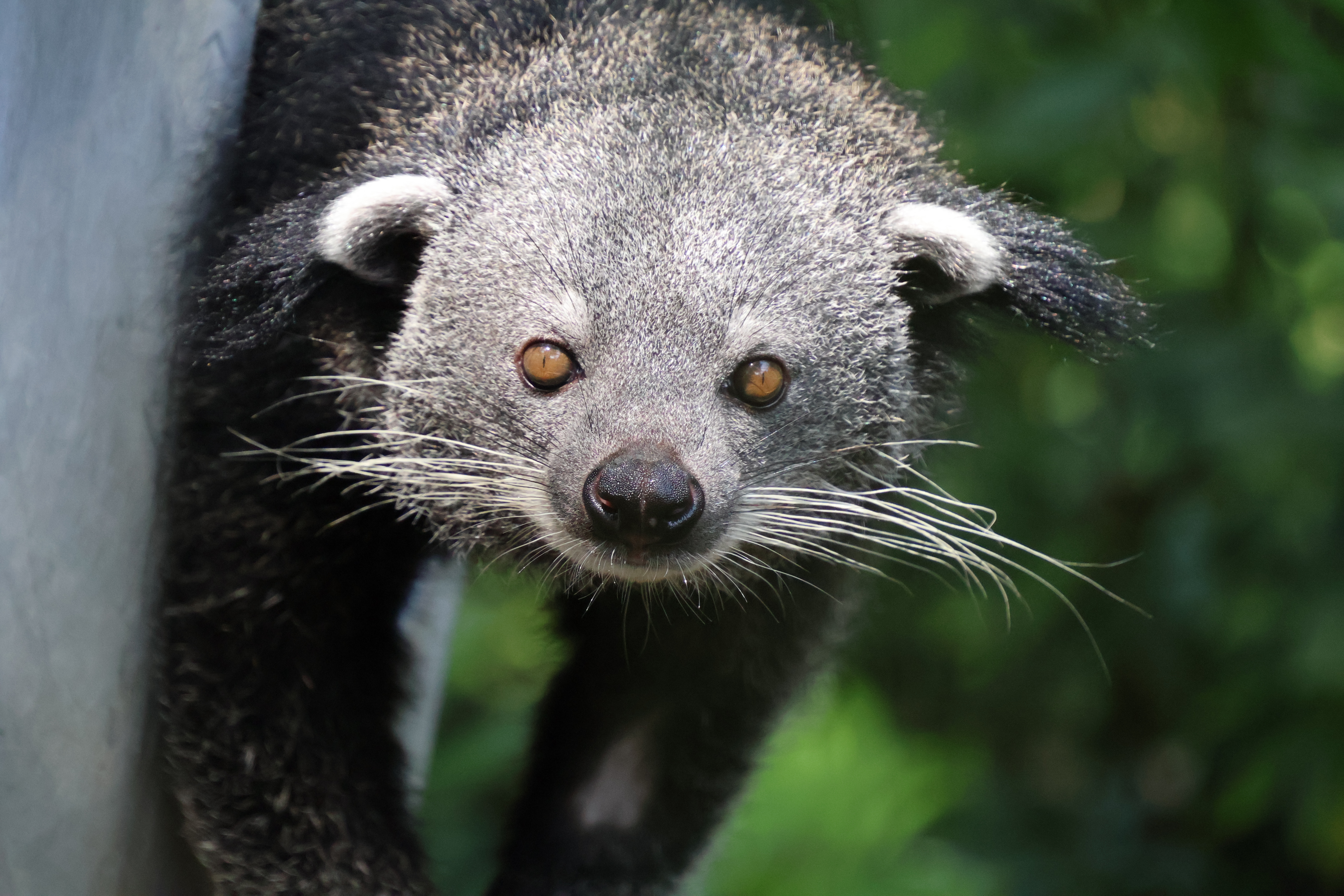
Brown-nosed coatis are curious, social mammals native to Central and South America. A member of the raccoon family, they are easily recognized by their long, flexible snouts, ringed tails, and expressive faces. Coatis use their strong claws and keen sense of smell to dig through leaf litter and soil in search of insects, fruit, small vertebrates, and eggs. Their long tails help them balance as they climb trees and communicate with their family in dense forest habitats.
According to the International Union for Conservation of Nature (IUCN), the brown-nosed coati is currently listed as Least Concern. They have a wide distribution and are adaptable to a variety of forested habitats. However, habitat loss due to deforestation, agricultural expansion, and urban development can impact local populations. In some areas, coatis are also hunted for meat or affected by the illegal pet trade. Maintaining connected forest habitats is essential to ensure their long-term stability. Even species that are not endangered rely on responsible land management and conservation awareness to remain in the wild.
Coatis play an important role in their ecosystems. As omnivores, they help control insect populations and disperse seeds through the fruits they eat. Their foraging behavior also helps turn over soil, contributing to nutrient cycling in forest environments. Protecting coatis helps protect the diverse tropical and subtropical ecosystems they call home.
Did you know?
Their long, flexible nose can rotate slightly upward to help them sniff out food.
Females and young coatis live in social groups called bands, while adult males are usually solitary.
Coatis often sleep in trees for safety.
They often hold their tails upright while walking, helping group members stay together in tall vegetation.
Coatis use chirps, whistles, and grunts to communicate with one another.