

Struthio camelus
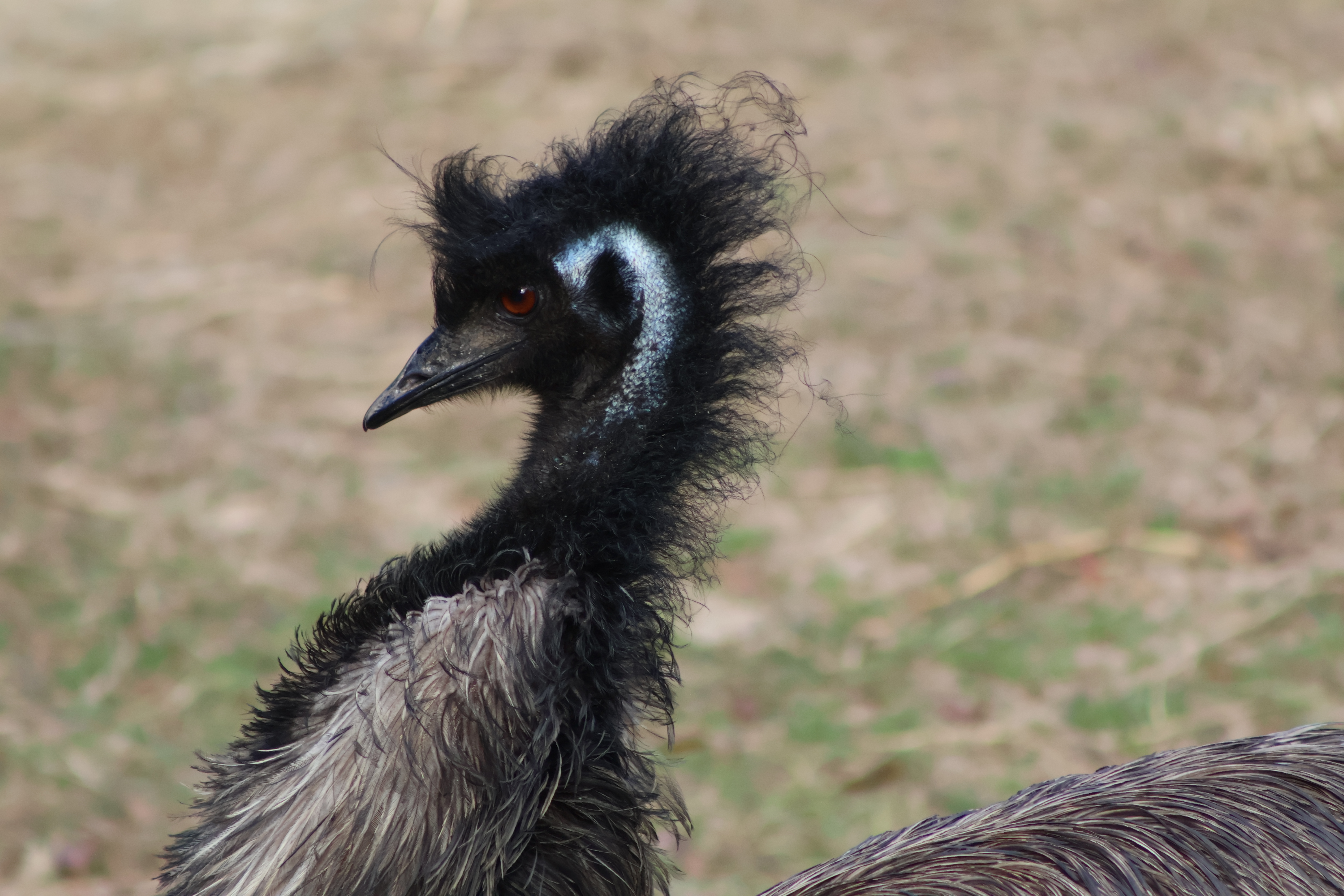
The common ostrich is the largest bird in the world, standing up to 9 feet tall and weighing over 300 pounds. Native to open savannas and deserts across Africa, ostriches are flightless but incredibly powerful runners. With long, muscular legs and only two toes on each foot, they can sprint at speeds up to 45 miles per hour. Making them the fastest bird on land!
According to the International Union for Conservation of Nature (IUCN), the common ostrich is currently listed as Least Concern. While the species remains widespread, some regional populations have declined due to habitat loss, hunting, and egg collection. In certain areas, ostriches are managed through farming and conservation programs. Protecting open grasslands and desert ecosystems is key to ensuring wild populations remain stable. Even species that are not endangered depend on healthy habitats and responsible wildlife management.
As large herbivores and omnivores, ostriches feed on seeds, plants, and small insects. Their movement across wide territories helps disperse seeds and support plant diversity. They also serve as prey for large predators such as lions and hyenas, playing an important role in the savanna food web.
Did you know?
Ostriches can take strides up to 16 feet long while running.
They lay the largest eggs of any living bird.
Ostrich eyes are about the size of billiard balls, the largest of any land animal.
Their two-toed feet act like built-in running shoes for maximum speed.
Multiple females may lay eggs in a single nest, with a dominant female and male taking turns incubating.
Females have dull grey feathers, because they incubate the nest during the day. While males have black feathers, because they incubate the nest at night.