
Spend the day learning from wildlife experts and conservation professionals during our Conservation Lecture Series at Creekside! This immersive event features engaging talks, panel discussions, and live demonstrations focused on protecting natural resources and coexisting with native wildlife.
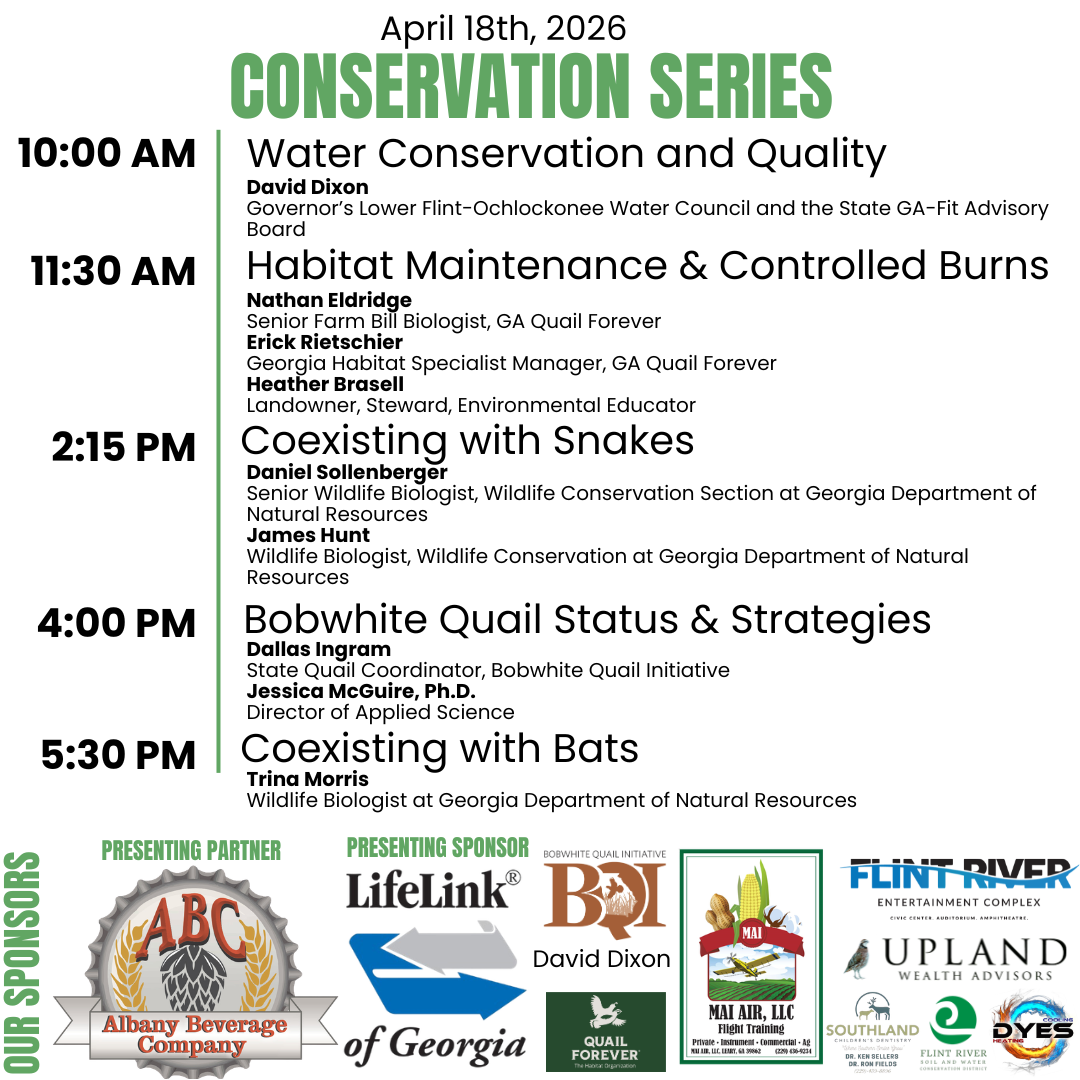
Schedule:
-
10:00 am-11:00 pm- Water Conservation and Quality
-
David Dixon
David Dixon brings more than three decades of experience at the intersection of environmental management, water quality, and sustainability. Over a 33-year career with Miller Brewing Company, he served in engineering and quality leadership roles in Georgia, Washington, and Wisconsin, building a strong foundation in environmental systems and resource stewardship. Trained as a biologist with both bachelor’s and master’s degrees in the field, David’s academic background in botany complements his practical experience in water and land conservation. He has also served in a number of respected leadership roles across Georgia conservation organizations, including the Georgia Conservancy, the Apalachicola-Chattahoochee-Flint Stakeholders Group, and the Southwest Georgia Regional Water Task Force. A Georgia Class III Wastewater Treatment Certified Operator, David brings both technical expertise and community-level conservation perspective to conversations about water use, water quality, and long-term stewardship in the South.
-
-
11:30 pm- 12:30 pm- Habitat Maintenance & Controlled Burns Panel- Followed by controlled burn demonstration at 12:45 pm
-
Nathan Eldridge
Nathan Eldridge brings both field-based research experience and practical habitat management expertise to the topic of prescribed fire and working lands conservation. Originally from middle Tennessee, Nathan built his career around a lifelong connection to hunting, fishing, and the outdoors. He earned his bachelor’s degree in Wildlife and Fishery Sciences from Tennessee Tech University and began his professional work with Tall Timbers Research Station, where he contributed to long-term bobwhite datasets and developed a deep appreciation for quail ecology in the Southeast. He later completed a master’s degree in Natural Resource Management at Texas Tech University, focusing his graduate research on northern bobwhite chick ecology. Today, as Senior Farm Bill Biologist with Quail Forever, Nathan coordinates Farm Bill efforts in Georgia and conducts site visits across the heart of quail country. His experience connects science, habitat restoration, and landowner-focused implementation in ways that make prescribed fire both practical and effective.
Erick Rietschier
Erick Rietschier brings extensive on-the-ground fire and land stewardship experience to habitat management conversations, with a professional background rooted in prescribed burning, ecological restoration, and working lands conservation. Before joining Quail Forever as a General Habitat Specialist, Erick spent more than 15 years with The Nature Conservancy in roles including Land Steward and Burn Boss, Fire Management Specialist, and Fire Management Technician/Crew Leader. Across those positions, he helped lead prescribed fire operations and habitat management efforts in multiple states, gaining deep experience in the application of fire as a restoration tool. In his current role with Quail Forever, Erick works as part of a Southwest Georgia partnership supporting the Bobwhite Quail Initiative, conducting prescribed burns, early-successional habitat work, native vegetation establishment, and other restoration practices on both private and public lands. His perspective is grounded in years of direct implementation and a strong understanding of how fire supports healthy, functioning ecosystems.
Heather Brasell
Heather Braswell offers the valuable perspective of a landowner, educator, and longtime practitioner of prescribed fire. For the past 15 years, she has used fire as a key management tool on her family’s property in Berrien County, Georgia, where she also developed the Gaskins Forest Education Center. Under her leadership, the property has become both a working model of responsible land stewardship and a hub for public education in forestry, conservation, and wildlife habitat management. With a background in forest ecology and science education, Heather brings a rare ability to connect technical knowledge with the real-world decisions landowners face. Her work includes prescribed fire, invasive species control, timber management, groundcover restoration, and wildlife habitat improvement, all while hosting workshops, demonstrations, and outreach events for diverse audiences. Recognized as the 2023 Outstanding Tree Farmer of the Year, Heather brings practical credibility and firsthand experience to conversations about fire on private lands.
-
-
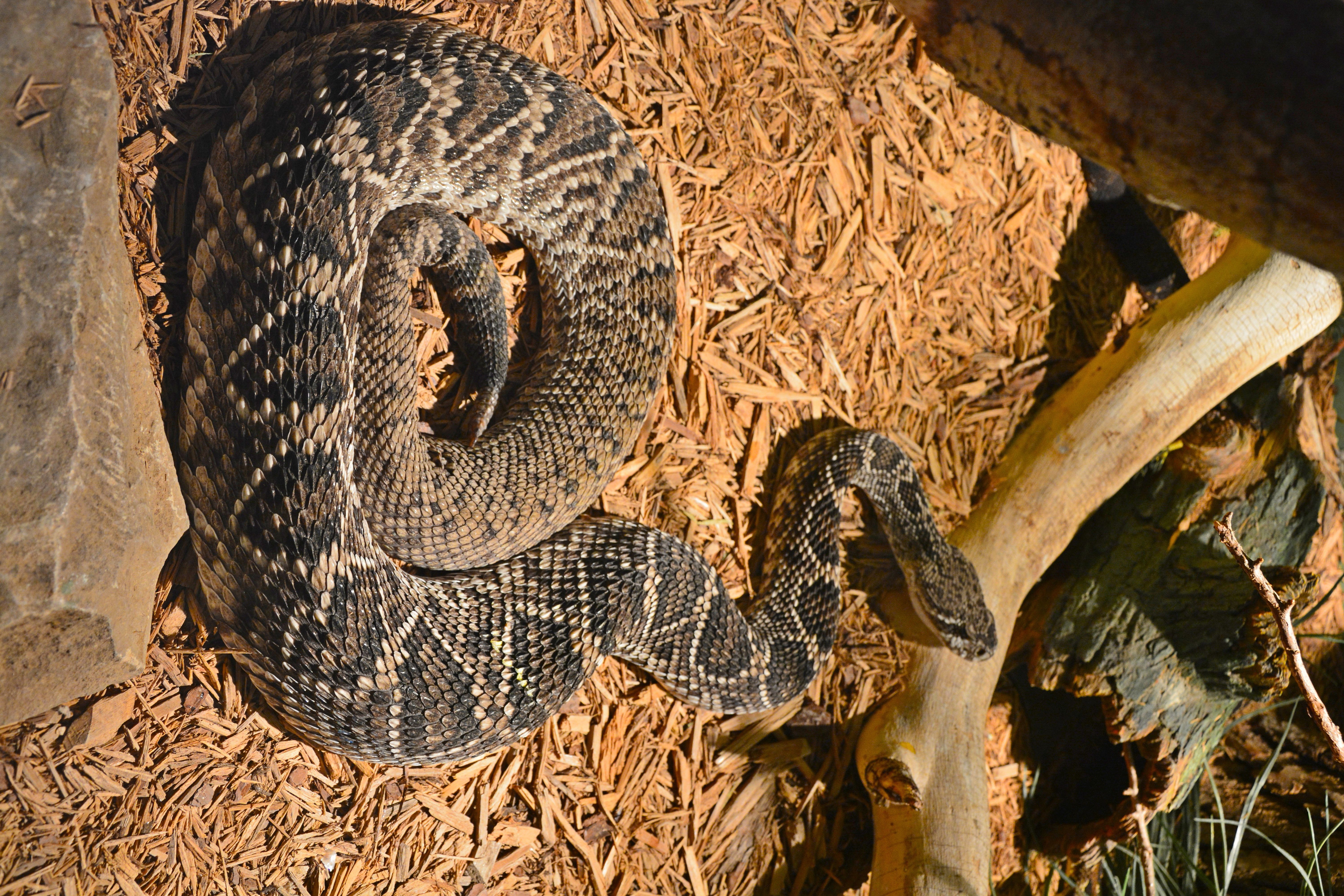
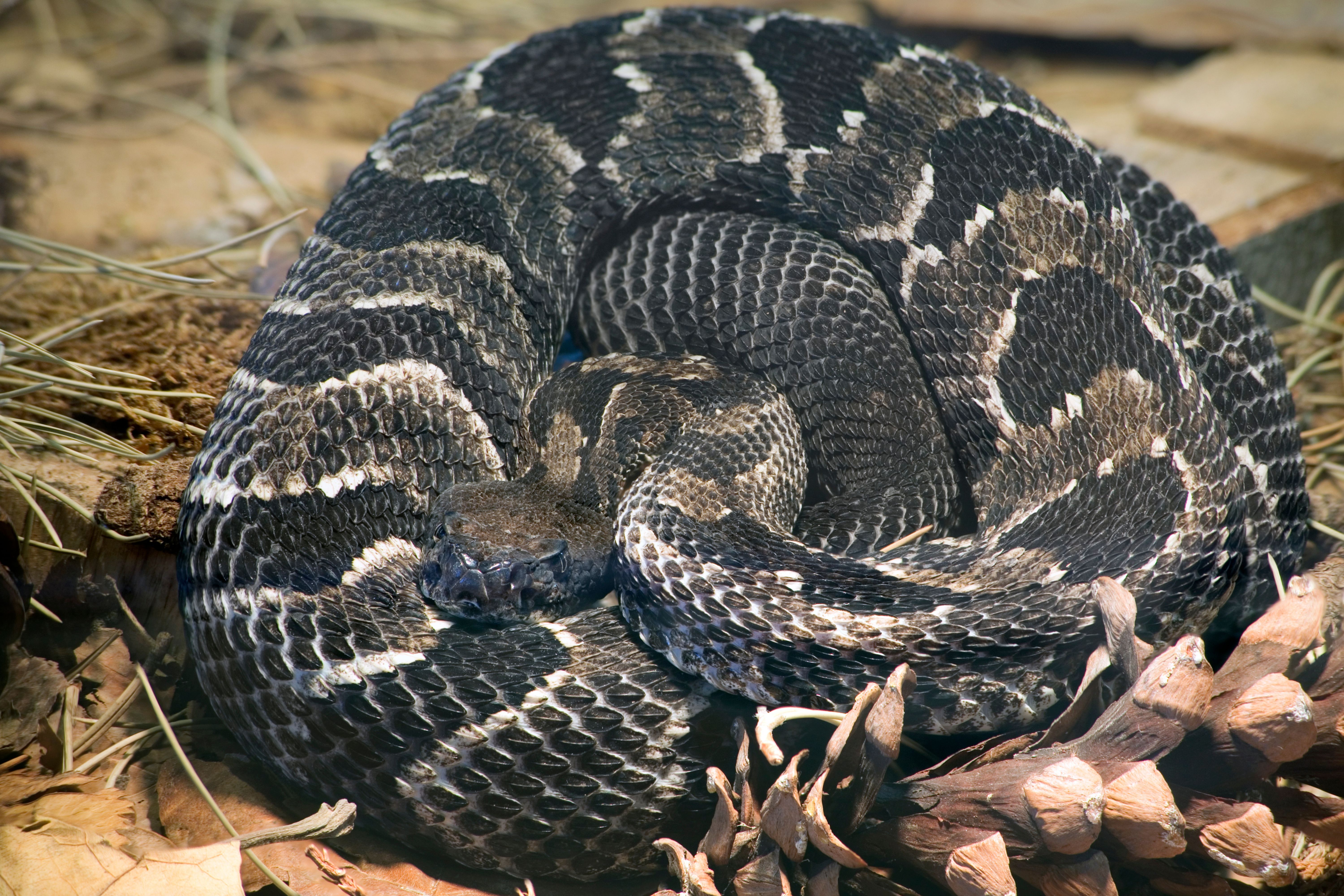
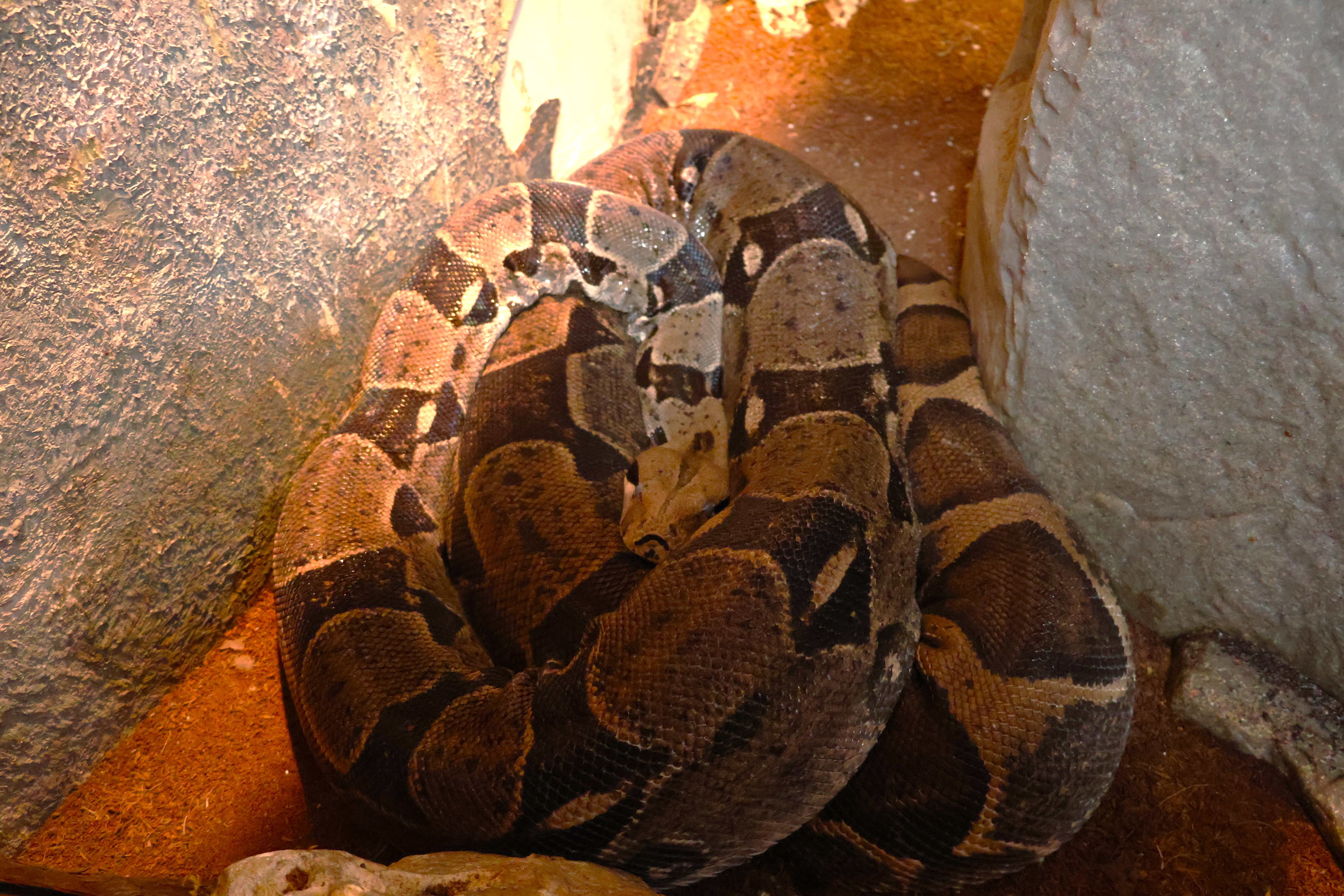
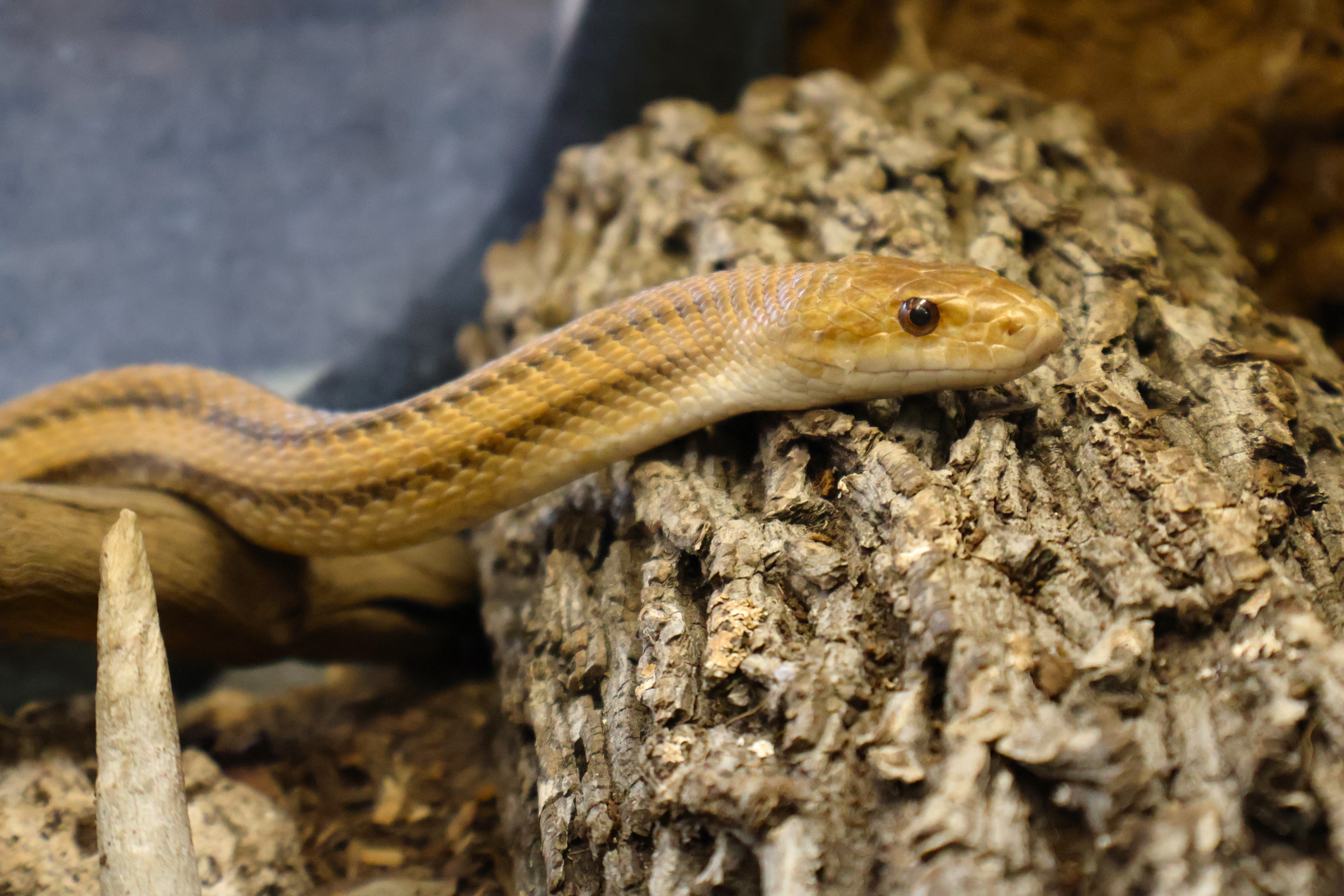
2:15 pm- 3:30 pm- Snake Panel- Importance of coexisting with snakes
-
Daniel Sollenberger
Daniel Sollenberger brings statewide expertise in reptile conservation, public outreach, and species identification to the topic of living safely and responsibly alongside snakes. As Senior Wildlife Biologist and state herpetologist with the Georgia Department of Natural Resources’ Wildlife Conservation Section, Daniel serves as one of the state’s leading resources on native reptiles and amphibians. His work includes conservation of Georgia’s nongame wildlife, public education on snake identification and behavior, and helping residents understand the ecological value of species that are often misunderstood. Daniel is especially well known for translating science into practical guidance, helping people distinguish between venomous and nonvenomous species and respond appropriately when snakes are encountered around homes, farms, and natural areas. His role places him at the center of both species conservation and public communication, making him a trusted voice on how education, caution, and ecological understanding can support better coexistence with Georgia’s native snakes.
James Hunt
James Hunt brings strong field experience in wildlife ecology, herpetology, and habitat-based conservation to this discussion on co-existing with snakes. As a Wildlife Biologist with the Georgia Department of Natural Resources in Thomasville, he works in one of the most ecologically significant regions of the state, where understanding reptile ecology is closely tied to land management and conservation planning. James has built his career through a range of hands-on positions, including work with Georgia DNR, The Orianne Society, The Jones Center at Ichauway, and the University of Georgia. He holds both bachelor’s and master’s degrees from UGA, with graduate and professional experience focused on ecology, herpetology, and applied wildlife research. His background combines field survey work, habitat management, geospatial tools, and species monitoring, giving him a practical understanding of how snakes fit into larger ecosystems. He brings a grounded, science-based perspective to discussions about wildlife coexistence and informed stewardship.
-
-
4:00 pm- 5:00 pm- Bobwhite Quail Stratus & Strategies- Followed by a bird dog demonstration
-
Dallas Ingram
Dallas Ingram brings years of leadership, field experience, and statewide perspective to the discussion of bobwhite quail conservation in Georgia. As State Quail Coordinator for the Georgia Department of Natural Resources, Dallas has played a central role in advancing bobwhite restoration through private lands management, habitat planning, and strategic conservation partnerships. Since joining Georgia DNR in 2011, she has worked extensively with landowners and conservation professionals, providing technical assistance, developing management plans, guiding Farm Bill implementation, and overseeing bird counts across tens of thousands of acres of habitat. Her work also includes managing bobwhite habitat on public lands and collaborating with regional and national conservation initiatives. Dallas holds degrees from Abraham Baldwin Agricultural College, the University of Georgia, and Valdosta State University, combining strong academic preparation with years of applied experience. She brings both a statewide view and practical management insight to conversations about the status and future of bobwhite quail.
Jessica McGuire, Ph.D.
Jessica McGuire, Ph.D., brings national-level scientific leadership and deep experience in southeastern wildlife conservation to conversations about bobwhite strategy and habitat outcomes. She currently serves as Director of Applied Science for Pheasants Forever and Quail Forever, where she leads research and science-based initiatives that inform conservation efforts across working lands. Prior to that role, she helped lead the national Working Lands for Wildlife bobwhite framework and previously served in leadership at the Georgia Department of Natural Resources. Her background spans wildlife health, habitat restoration, longleaf pine ecosystems, and species conservation, with particular expertise in connecting research to management decisions that matter on the ground. Jessica earned her Ph.D. in Wildlife Biology and Wildlife Disease from the University of Georgia and conducted formative research at the Jones Center at Ichauway. She brings a unique combination of scientific depth, policy relevance, and practical implementation to today’s discussion.
-
-
5:30 pm – 6:30 pm- Bats & Coexisting- Guests can follow biologists to a shelter for hands on Bat data collection
-
Trina Morris
Trina Morris brings two decades of professional experience in wildlife conservation, rare species management, and bat research to this conversation on co-existing with bats. As a Wildlife Biologist with the Georgia Department of Natural Resources since 2005, she has built a career focused on protecting species and habitats while helping agencies, partners, and the public better understand their ecological importance. Her background includes previous work with The Nature Conservancy, along with advanced academic training in wildlife biology from Purdue University and Shippensburg University. Trina’s expertise is especially strong in bat conservation, including research on white-nose syndrome, hibernating bat communities, roost ecology, and long-term population trends in the Southeast. Her published work reflects a sustained contribution to the science guiding bat management in North America. With experience spanning research, environmental review, training, and public outreach, she brings both scientific authority and practical relevance to discussions about bats and coexistence.
-
Join us for a full day of conservation in action and discover how science, stewardship, and community come together to protect wildlife and wild places.






 David Dixon